Cross-Docking Explained: Benefits, Risks, and When to Use It
Cross-docking explained for retailers: how it works, when it pays off, and when it backfires.

Table of contents+
Cross-docking is a distribution strategy that moves inventory from inbound trucks to outbound trucks without storing it. Done right, it cuts handling cost and improves freshness. Done wrong, it creates downstream stockouts. This guide explains when and how to use it.
What is cross-docking?
Inventory arrives at a distribution center, is sorted by destination, and is loaded onto outbound trucks within hours, typically without entering storage. The DC functions as a sorting hub rather than a warehouse. Walmart, Costco, and most grocery retailers use cross-docking at scale.
When it pays off
Cross-docking shines for fast-moving consumables, scheduled deliveries to multiple stores, and short-shelf-life products. It cuts handling cost, reduces inventory in the DC, and improves freshness. For grocery and consumables, cross-docking can cut DC inventory by 30 to 60 percent.
When it backfires
Cross-docking requires accurate, on-time inbound shipments and a precise outbound schedule. A single late vendor truck can ripple into stockouts at dozens of stores. Cross-docking also struggles with assortment depth, since variety SKUs benefit more from traditional warehousing.
Hybrid distribution
Most modern retailers run hybrid DCs: cross-dock for fast movers, store-level safety stock for variety SKUs, and traditional warehousing for slow movers. The split typically follows ABC class.
The bottom line
Cross-docking is powerful but not universal. Use it where vendors are reliable, demand is predictable, and shelf life matters. Pair it with traditional warehousing for everything else.
Frequently Asked Questions
What is the minimum scale for cross-docking?+
Typically multi-store retailers with at least one DC and predictable replenishment volume. Single-store retailers rarely benefit.
Does cross-docking reduce inventory?+
In the DC, yes, by 30–60 percent for fast movers. Store-level inventory may not change unless replenishment frequency increases.
Related Calculators
Try the math from this guide with our free tools.
Inventory Turnover Calculator
Measure how many times a year your average inventory sells through and gets replaced. The single most consequential operational KPI in retail. It connects buying decisions, warehouse cash, markdown risk, and finance targets into one number. The turn ratio arrives converted into days and weeks of supply, together with the working capital a one-turn improvement would release.
Open calculator
OTIF Calculator
OTIF is the single most widely used supplier scorecard metric in retail because it's binary and unforgiving by design: an order that arrives on time but short a case doesn't count, and an order that's complete but three days late doesn't count either. You end up with the OTIF percent and the distance from a 95 percent target. The distance is the part that starts the supplier conversation.
Open calculator
Warehouse Capacity Calculator
A warehouse's nameplate pallet-position count overstates real usable capacity every time, because no warehouse operates at 100 percent utilization without productivity collapsing. Usable capacity comes back in real units, built on a utilization assumption you set, rather than the theoretical maximum nobody ever hits.
Open calculator
Related Articles
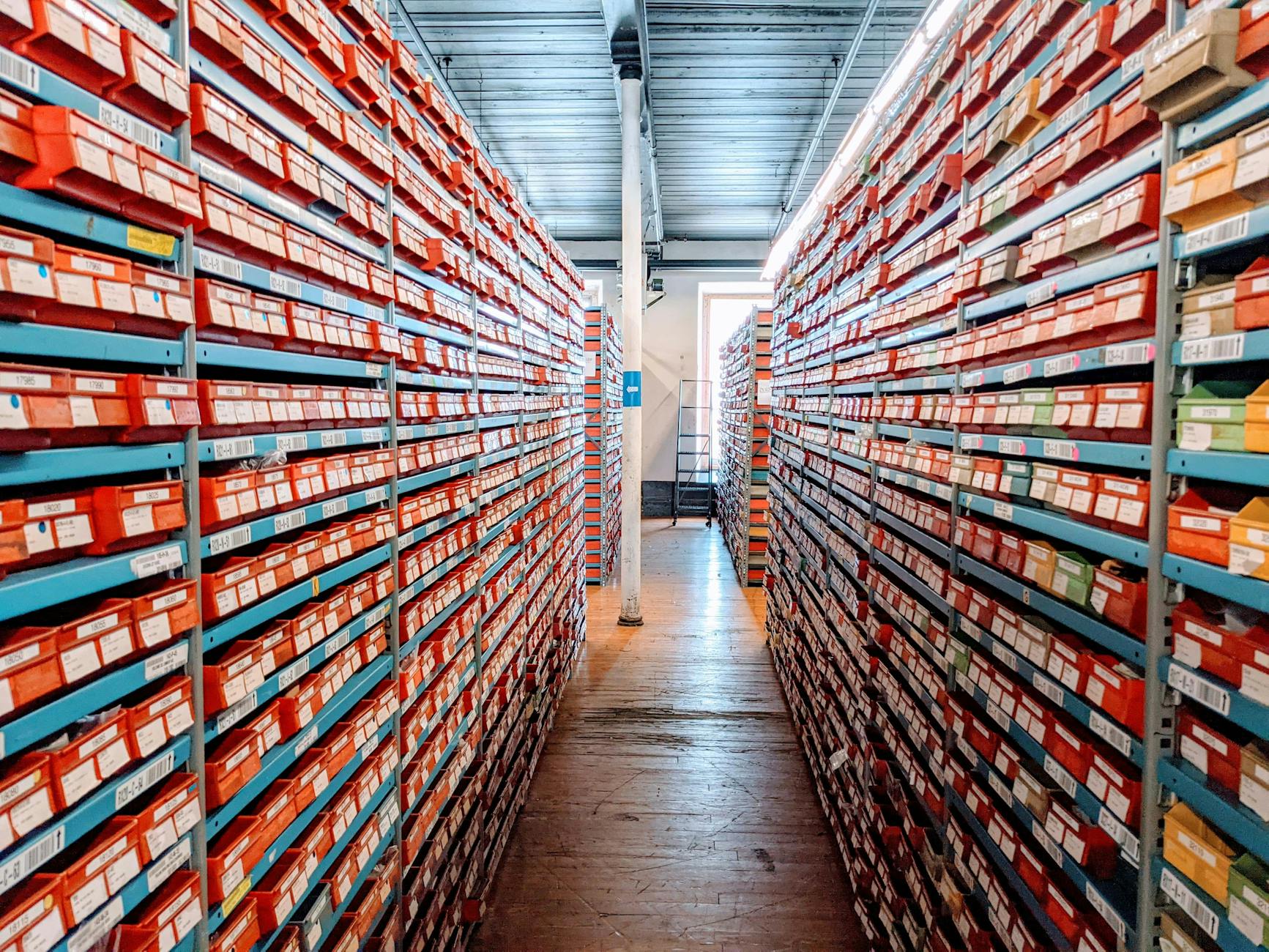
Warehouse Slotting Optimization: A Quick Guide
Warehouse slotting optimization for retailers: principles, common analyses, and ROI expectations.

Drop-Shipping for Retailers: The Working-Capital-vs-Margin Trade
Drop-shipping trades margin for reduced inventory risk. The trade prices out well for long-tail SKUs and poorly for fast-turning A-class inventory. The decision framework and where the hidden costs sit.
Just-In-Time and Lead-Time Reduction: A Retail Operator’s Guide to Cutting Inventory Without Cutting Service
How lead time drives inventory arithmetically, the eight levers ranked by cash impact, when pure JIT fails, and the segmented hybrid model most sophisticated retailers converge on.
Explore Related Resources
Handpicked benchmarks, templates and guides to help you dig deeper.