Supply Chain KPI Guide: 12 Metrics That Matter for Retailers
A reference of the twelve supply chain metrics that actually drive availability, cost, and customer experience for retailers.

Table of contents+
Supply chain KPIs translate complex, multi-party operations into numbers a CEO can act on. A small set of measurable metrics, reviewed weekly, drives availability, cost, and customer experience. Twelve supply chain KPIs matter most for retailers, and each one below comes with its formula, a benchmark, and the action it is meant to drive.
Availability KPIs
1. On-Time In-Full (OTIF)
Percent of purchase orders received on time and complete. A composite of two sub-metrics: on-time delivery and order completeness. OTIF is the single most-used supplier scorecard metric. Best-in-class is 95 percent or higher. Below 85 percent and stockouts become routine.
2. Fill Rate
Percent of demand fulfilled from stock. Line fill rate looks at line items; unit fill rate looks at units. Customer-facing fill rate is typically 95 to 98 percent in healthy retailers. Internal fill rate (warehouse to store) often runs higher.
3. Perfect Order Rate
Percent of orders delivered on time, in full, undamaged, and with correct documentation. A composite metric that captures end-to-end execution. Best-in-class is 90 percent or higher.
Responsiveness KPIs
4. Supplier Lead Time
Days from purchase order placement to usable receipt. Track average and standard deviation. Reducing variability is often more valuable than reducing the average.
5. Cash-to-Cash Cycle
Days from cash paid for inventory to cash received from sale. The headline measure of working capital efficiency. Improving cash-to-cash by 10 days on a 100-million-dollar revenue base unlocks roughly 3 million dollars of working capital.
6. Order Cycle Time
Time from customer order to fulfillment. Critical for e-commerce and direct fulfillment. Two-day delivery has become table stakes in many categories.
Cost KPIs
7. Cost per Unit Shipped
Total supply chain cost divided by units shipped. Useful for benchmarking 3PL performance and own-network economics.
8. Transportation Cost as Percent of Sales
Inbound plus outbound freight divided by net sales. Often 3 to 8 percent depending on category and density. Rising freight cost is often the first visible signal of network inefficiency.
9. Inventory Carrying Cost
All-in cost of holding inventory (capital, storage, handling, insurance, obsolescence) typically runs 20 to 30 percent of average inventory value per year.
Quality KPIs
10. Return Rate
Percent of units returned. In apparel and online retail, return rates of 15 to 35 percent are normal. Each return costs handling, restocking, and potential markdown.
11. Damage Rate
Percent of units received or shipped damaged. A direct measure of packaging, handling, and 3PL discipline. Track by lane and by SKU.
12. Forecast Accuracy
Mentioned in our retail KPI guide as well. The supply chain version typically focuses on demand at the SKU-DC-week level. Best-in-class is 70 to 85 percent MAPE.
Building a supplier scorecard
A good supplier scorecard combines five to seven of the metrics above into a single composite score, typically weighted by strategic importance: OTIF (30 percent), fill rate (20 percent), lead-time variability (15 percent), damage rate (10 percent), forecast accuracy (10 percent), responsiveness (10 percent), and total landed cost (5 percent). Review scorecards quarterly with each top-tier supplier.
Reporting cadence
Weekly: OTIF, fill rate, perfect order rate. Monthly: lead time, cash-to-cash, transportation cost percent. Quarterly: supplier scorecards, carrying cost, forecast accuracy. Annual: total supply chain cost as percent of revenue, network-level cost-to-serve.
Common pitfalls
1. Local optimization
Each function tries to optimize its own KPI: planning minimizes inventory, supply chain minimizes cost, sales maximizes availability. The result is no-one optimizing the total system. S&OP processes are designed to resolve this tension.
2. Wrong measurement period
OTIF measured at the truck level looks great while the customer sees stockouts. Always measure at the customer-facing layer.
3. KPI fatigue
Tracking all twelve KPIs at every level overwhelms teams. Cascade KPIs: aggregate at the top, more granular at operational levels.
The bottom line
Great supply chains are measured supply chains. Pick the five to seven KPIs that matter most for your model, build a weekly cadence, and review supplier scorecards quarterly. Combine these with the inventory KPIs in our retail KPI guide for a complete operating dashboard.
Frequently Asked Questions
What is a healthy OTIF target?+
95 percent or higher for top-tier suppliers. Below 85 percent and the cost of stockouts and expediting becomes significant.
How is fill rate different from OTIF?+
Fill rate measures units or lines actually fulfilled. OTIF measures whether orders arrived complete and on time. Both can be high or low independently.
What is a good cash-to-cash cycle?+
It varies dramatically by category. Grocery often runs negative cash-to-cash (sell before paying suppliers); apparel often runs 60 to 120 days.
Should I outsource supply chain measurement?+
Tools and 3PLs can capture data, but interpretation and decision-making should remain in-house. The KPIs are too central to outsource.
Related Calculators
Try the math from this guide with our free tools.
Reorder Point Calculator
Set the trigger level that fires the next PO for an SKU. Reorder point combines expected demand during lead time with a buffer for the weeks that run hot. Get either half wrong and you either stock out or bury cash on the shelf. Outputs are the ROP itself, the lead-time demand behind it, the buffer as a percent of expected demand, and the days of supply that ROP represents at current sales velocity.
Open calculator
Inventory Turnover Calculator
Measure how many times a year your average inventory sells through and gets replaced. The single most consequential operational KPI in retail. It connects buying decisions, warehouse cash, markdown risk, and finance targets into one number. The turn ratio arrives converted into days and weeks of supply, together with the working capital a one-turn improvement would release.
Open calculator
Related Articles
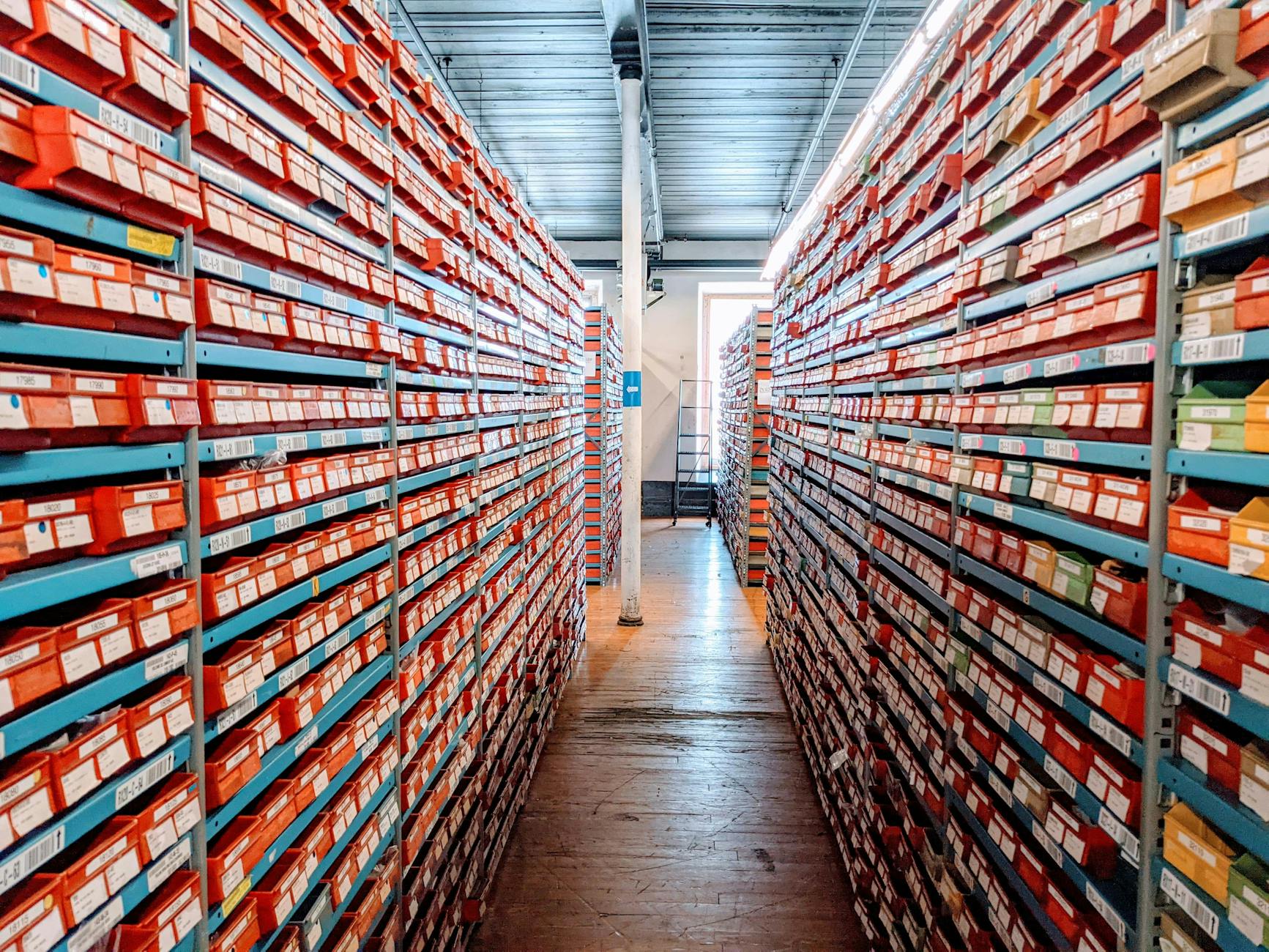
Just-In-Time and Lead-Time Reduction: A Retail Operator’s Guide to Cutting Inventory Without Cutting Service
How lead time drives inventory arithmetically, the eight levers ranked by cash impact, when pure JIT fails, and the segmented hybrid model most sophisticated retailers converge on.

Drop-Shipping for Retailers: The Working-Capital-vs-Margin Trade
Drop-shipping trades margin for reduced inventory risk. The trade prices out well for long-tail SKUs and poorly for fast-turning A-class inventory. The decision framework and where the hidden costs sit.

Demand Forecasting and Demand Sensing: The Two-Layer System That Actually Works in Retail
Forecasting is the seven-day weather view; sensing is the radar layer that watches the same sky in real time. How the two layers work together, MAPE/WAPE/bias measured honestly, category benchmarks, six accuracy drivers, sensing signals and triggers, and the six pitfalls that recur across otherwise well-run programs.
Explore Related Resources
Handpicked benchmarks, templates and guides to help you dig deeper.